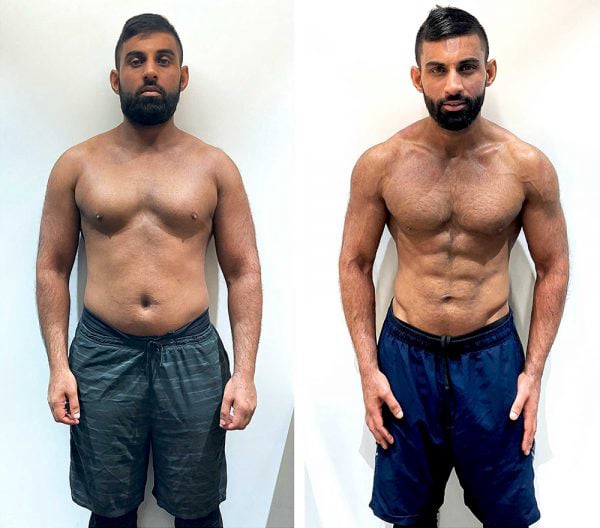
Reducing body fat naturally is a long-term process that requires consistent lifestyle habits rather than quick fixes. Many people focus only on calorie restriction or intense exercise, but sustainable fat loss actually depends on a combination of factors such as metabolism, hormones, nutrition, sleep, and appetite control.
Body fat accumulates when the body stores excess energy from food. When calorie intake regularly exceeds energy expenditure, fat cells grow and store energy for future use. To reduce body fat naturally, it is essential to create conditions that encourage the body to use stored fat as fuel.
Understanding how fat burning works inside the body can help individuals adopt strategies that improve their health and support long-term weight management. If you want a deeper understanding of the biological processes involved, explore The Science Behind Natural Fat Burning, which explains how the body converts stored fat into usable energy.
This article explains practical and science-based strategies to reduce body fat naturally and maintain a healthier body composition.
Understanding Body Fat and Natural Fat Loss
Body fat plays an important role in protecting organs, storing energy, and regulating hormones. However, excess body fat—especially visceral fat around internal organs—can increase the risk of conditions like diabetes, heart disease, and metabolic disorders.
Natural fat loss occurs when the body breaks down stored fat molecules through a process called lipolysis, releasing fatty acids that can be used for energy. Increasing energy expenditure through exercise and improving metabolic health can accelerate this process.
The body’s ability to burn fat is strongly influenced by metabolic rate, hormone balance, and lifestyle habits. For example, metabolism determines how efficiently the body converts food into energy, which is why understanding How Metabolism Affects Weight Loss can help explain why some people lose fat faster than others.
1. Focus on Whole, Nutrient-Dense Foods
Diet plays a crucial role in reducing body fat naturally. Choosing whole foods that are rich in nutrients can help control hunger, stabilize blood sugar levels, and support metabolic health.
Whole foods such as vegetables, fruits, whole grains, nuts, and lean protein sources provide essential nutrients without excessive calories. Processed foods, on the other hand, often contain added sugars and unhealthy fats that promote weight gain and increase cravings.
Research suggests that diets rich in fiber and protein help people feel fuller for longer periods, which can reduce overall calorie intake. Fiber slows digestion and promotes satiety, while protein helps maintain muscle mass during fat loss.
Healthy food choices that support fat loss include:
Leafy green vegetables
Whole grains
Lean proteins such as fish, chicken, and legumes
Nuts and seeds
Healthy fats like olive oil and avocados
Replacing processed snacks with these nutrient-dense foods helps maintain steady energy levels and prevents overeating.
2. Increase Protein Intake
Protein is one of the most effective nutrients for reducing body fat naturally. It increases satiety, supports muscle maintenance, and boosts calorie expenditure through digestion.
When protein is digested, the body uses more energy compared to carbohydrates or fats. This effect, known as diet-induced thermogenesis, helps increase total daily calorie burn. Additionally, protein helps regulate hunger hormones and reduce cravings.
Eating protein-rich meals can also support hormonal balance. Certain hormones responsible for appetite and metabolism depend on adequate protein intake. Learning more about How Hormones Influence Body Fat Storage can help explain why hormone regulation plays such an important role in fat loss.
Good sources of protein include:
Eggs
Fish and lean meat
Dairy products
Beans and lentils
Tofu and soy products
Including protein in every meal helps maintain steady energy levels and prevents excessive snacking.
3. Eat More Fiber-Rich Foods
Dietary fiber is another essential component of natural fat reduction. Fiber slows digestion and helps control appetite by creating a feeling of fullness.
Studies show that increasing fiber intake can significantly reduce body weight and abdominal fat, even without strict calorie restriction.
Fiber also supports digestive health and stabilizes blood sugar levels, which prevents sudden spikes in hunger.
Foods high in fiber include:
Oats
Beans and lentils
Fruits like apples and berries
Vegetables such as broccoli and carrots
Whole grains
Adding fiber-rich foods to daily meals is a simple yet effective strategy for controlling appetite and promoting fat loss.
4. Stay Physically Active
Exercise is essential for burning calories and improving overall metabolic health. Physical activity increases energy expenditure, helping the body use stored fat as fuel.
Different types of exercise contribute to fat loss in different ways.
Strength Training
Strength training helps build lean muscle mass. Muscle tissue burns more calories than fat tissue, which increases resting metabolic rate.
Cardiovascular Exercise
Activities like walking, running, cycling, and swimming help burn calories and improve cardiovascular health.
Daily Movement
Even simple activities like walking can improve hormone balance and insulin sensitivity, both of which play important roles in regulating fat storage.
Combining resistance training with regular cardio provides the best results for reducing body fat naturally.
5. Improve Sleep Quality
Sleep is often overlooked in weight management, but it plays a major role in regulating metabolism and hunger hormones.
Poor sleep disrupts hormones responsible for appetite control, increasing hunger and cravings for high-calorie foods. Lack of sleep has also been linked to increased body fat accumulation and reduced energy levels.
To improve sleep quality:
Maintain a consistent sleep schedule
Avoid screens before bedtime
Limit caffeine intake in the evening
Create a relaxing nighttime routine
Getting at least seven hours of sleep each night can significantly improve weight management and metabolic health.
6. Manage Stress Levels
Chronic stress can make it much harder to lose body fat. Stress triggers the release of cortisol, a hormone that encourages fat storage, particularly around the abdominal area.
High stress levels can also lead to emotional eating and cravings for sugary or high-fat foods.
Practices that help reduce stress include:
Meditation and mindfulness
Yoga or stretching
Regular exercise
Spending time outdoors
Reducing stress supports hormonal balance and prevents unnecessary fat accumulation.
7. Drink More Water
Proper hydration plays an important role in fat metabolism. Water helps the body break down stored fat and transport nutrients throughout the body.
Increasing water intake may also enhance lipolysis, the process through which the body breaks down fat molecules for energy.
Drinking water before meals can also reduce hunger and prevent overeating.
Tips for staying hydrated:
Drink water throughout the day
Replace sugary beverages with water or herbal tea
Carry a reusable water bottle
Even small increases in daily water intake can support fat loss and improve overall health.
8. Control Hunger Naturally
Managing hunger is essential for sustainable fat loss. When hunger is uncontrolled, it becomes difficult to maintain healthy eating habits.
Certain nutrients and foods help regulate appetite naturally. For example, soluble fiber slows digestion and keeps the stomach full longer. Fenugreek seeds and other fiber-rich foods may also help reduce hunger and improve satiety.
If you want to learn more about effective appetite management strategies, explore Healthy Ways to Control Hunger Naturally, which explains how diet, hormones, and lifestyle influence hunger signals.
By controlling hunger naturally, individuals can maintain a calorie balance without feeling deprived.
9. Maintain Consistency and Healthy Habits
One of the most important aspects of reducing body fat naturally is consistency. Quick diet trends may produce short-term results, but they rarely lead to lasting changes.
Sustainable habits include:
Eating balanced meals
Exercising regularly
Getting adequate sleep
Managing stress
Staying hydrated
Over time, these habits improve metabolic health and gradually reduce body fat without extreme dieting.
10. Supporting Natural Fat Burning
Lifestyle habits form the foundation of fat loss, but some individuals look for additional support to maintain consistency in their health routines.
For readers interested in learning about nutritional support options, you can explore the TrimX supplement review and real customer results, which discusses how certain dietary supplements are being used alongside healthy habits.
Some supplements aim to support metabolism, appetite control, and energy levels. Understanding How TrimX supplement supports natural fat burning can provide insight into how such products are designed to complement diet and exercise.
Additionally, reviewing TrimX supplement ingredients and benefits explained helps consumers understand the components used in these formulations.
Before starting any supplement, it is important to research safety and suitability. Readers can also explore Is TrimX supplement safe for daily weight support to learn about considerations related to long-term use.
Final Thoughts
Reducing body fat naturally requires patience, consistency, and a balanced lifestyle. There is no single solution that works for everyone, but combining healthy nutrition, regular exercise, adequate sleep, and stress management can create a sustainable approach to weight management.
By understanding how metabolism, hormones, and appetite influence fat storage, individuals can make informed decisions that support long-term health.
Instead of focusing on short-term results, adopting gradual lifestyle improvements allows the body to burn fat more efficiently while maintaining overall well-being.
While healthy eating, regular exercise, and proper sleep are the foundation of natural fat reduction, some people also look for additional support to stay consistent with their goals. Supplements designed for metabolism and appetite balance are often explored alongside a healthy lifestyle. For readers who want to learn more about how nutritional support can complement these habits, visiting the trimx website can provide detailed information about its ingredients, benefits, and how it may fit into a broader weight management routine.

HTML Maker